Why Homeowners Trust a Local Well Drilling Service for Safe and Sustainable Water Solutions

May 30, 2026

Access to clean and dependable water is one of the most important aspects of any residential property. For homeowners in rural and suburban areas, private wells provide an efficient and reliable water source that supports everyday living while reducing dependence on municipal systems. A professionally installed well can supply households with fresh water for drinking, cooking, cleaning, irrigation, and more. Because well quality and performance depends heavily on proper installation and maintenance, many property owners turn to a local well drilling service for expert guidance and long-term support.


Understanding the Importance of Reliable Water Access

Water is essential to nearly every aspect of daily life. Homeowners rely on consistent water access for bathing, laundry, food preparation, landscaping, sanitation, and household appliances. In areas where municipal water systems are unavailable or unreliable, private wells become a practical and cost-effective solution.


A professionally installed well offers greater control over a property's water supply while reducing reliance on external utilities. Unlike municipal systems that may experience service interruptions or rising usage fees, a private well provides an independent water source directly from underground aquifers. Homeowners often appreciate the reliability and convenience that come with owning a private well system.


Working with a local well drilling service helps ensure that the well is properly designed to meet household water demands. Professionals evaluate factors such as groundwater availability, property conditions, and projected usage levels before drilling begins. This careful planning contributes to a dependable and long-lasting water supply.


Why Local Experience Matters in Well Drilling

Every region has unique geological conditions that affect groundwater availability, drilling depth, and water quality. Soil composition, rock formations, seasonal rainfall, and aquifer locations all influence the success of a well installation. Homeowners often choose a local well drilling service because local professionals understand these conditions better than outside contractors.


Experienced local drillers are familiar with regional permitting requirements, environmental regulations, and common drilling challenges. Their knowledge allows them to identify ideal drilling locations and avoid issues that may interfere with long-term performance. Local expertise can also help homeowners make informed decisions about well placement, pump systems, and water treatment options.


Because local companies work within the same communities they serve, they often prioritize customer relationships and long-term reliability. Homeowners appreciate having access to professionals who can provide ongoing maintenance, inspections, and repairs long after the initial drilling process is complete.


The Process of Professional Well Drilling

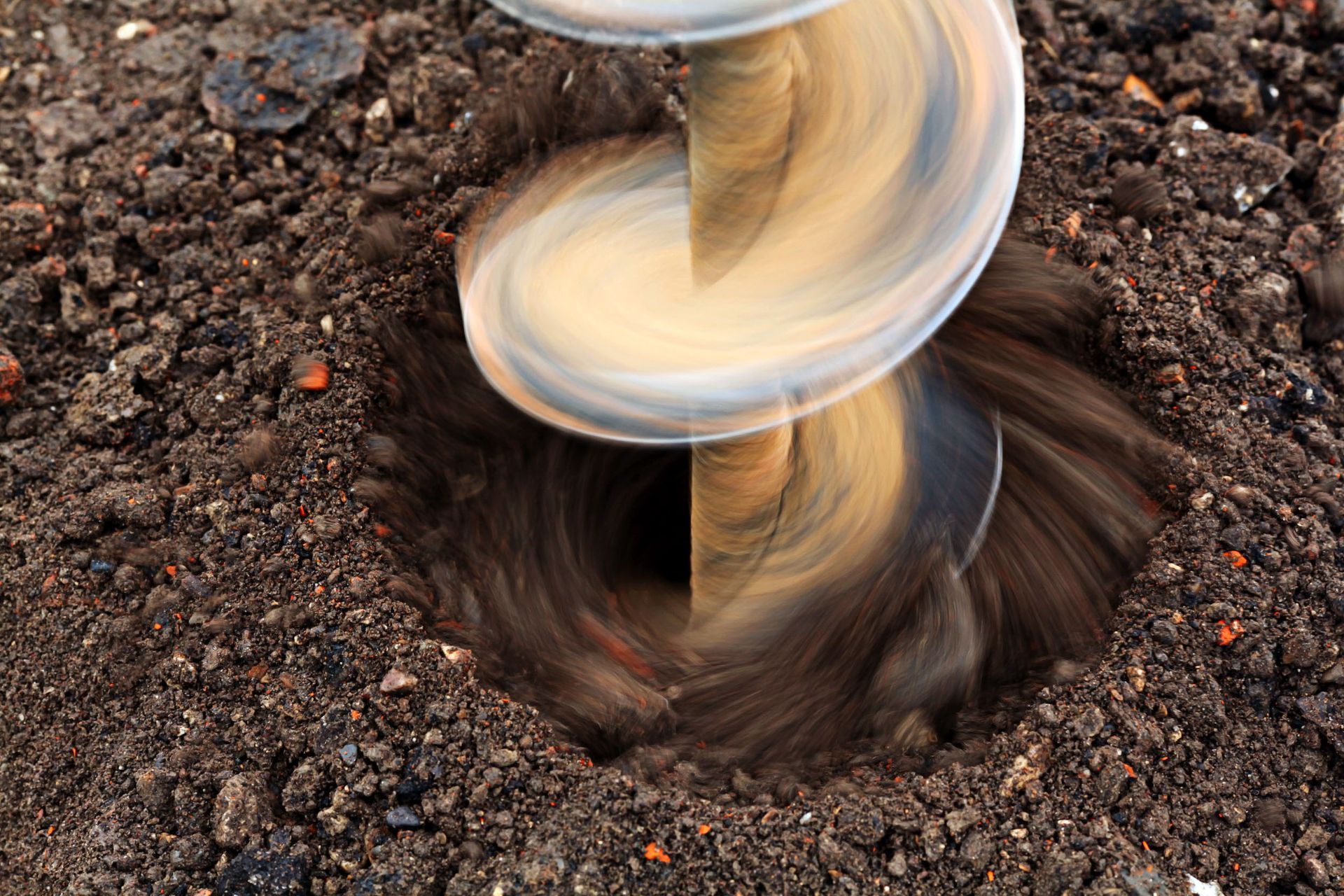
The well drilling process begins with a thorough site evaluation. Professionals assess the property to determine the most suitable drilling location based on groundwater access, environmental safety, and distance from potential contamination sources. Once the location is selected, specialized drilling equipment is used to bore deep into the ground until a reliable aquifer is reached.


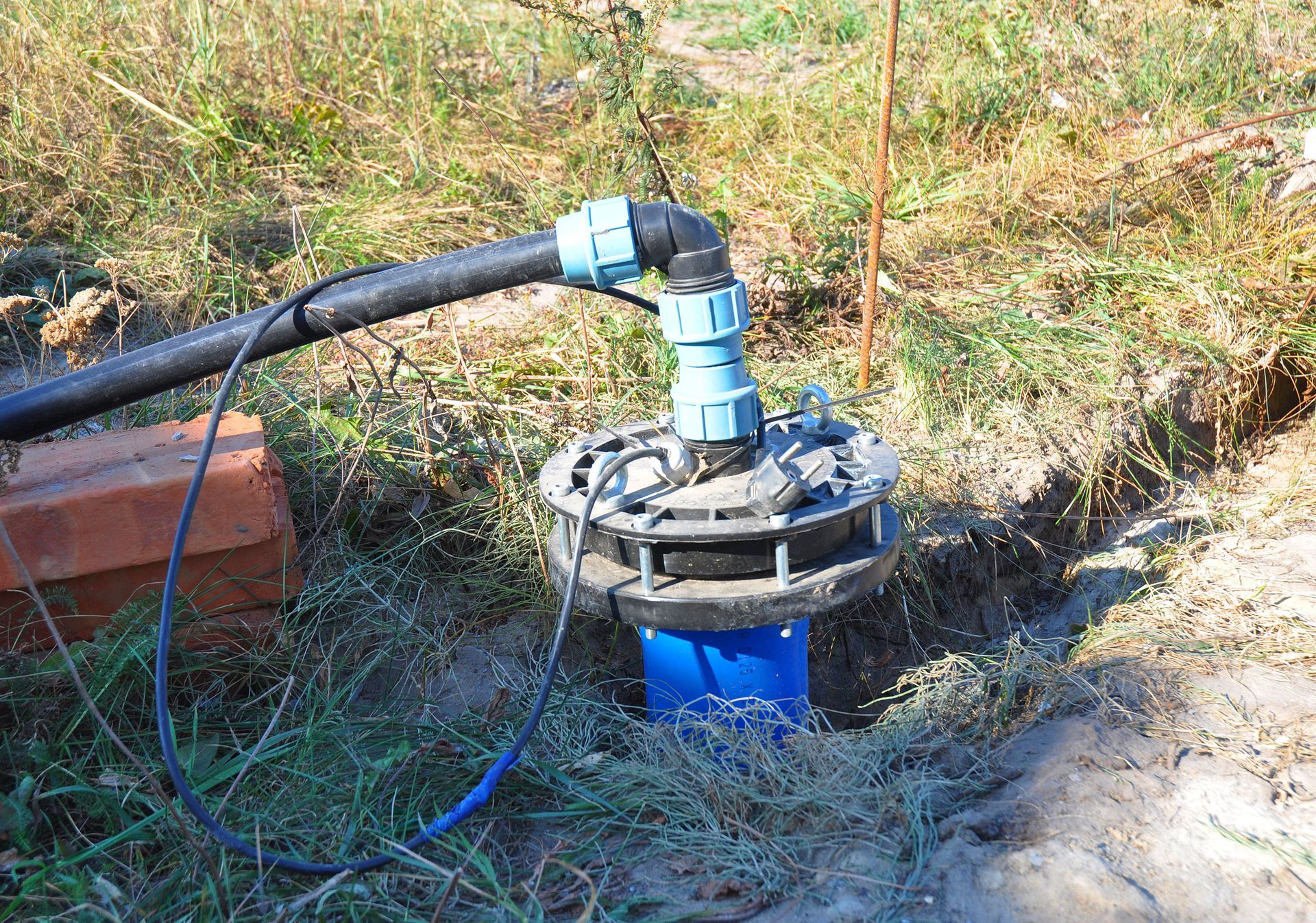
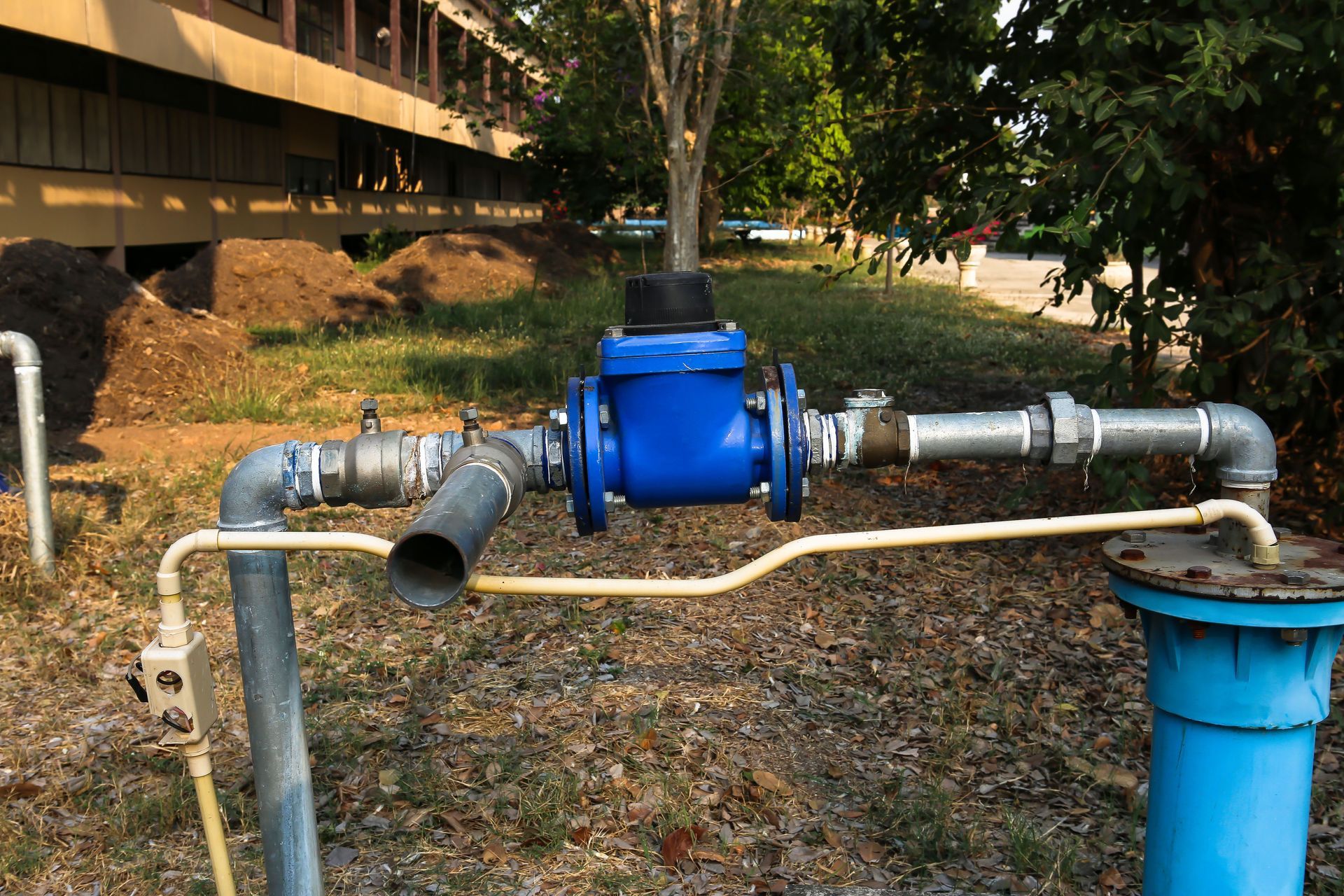
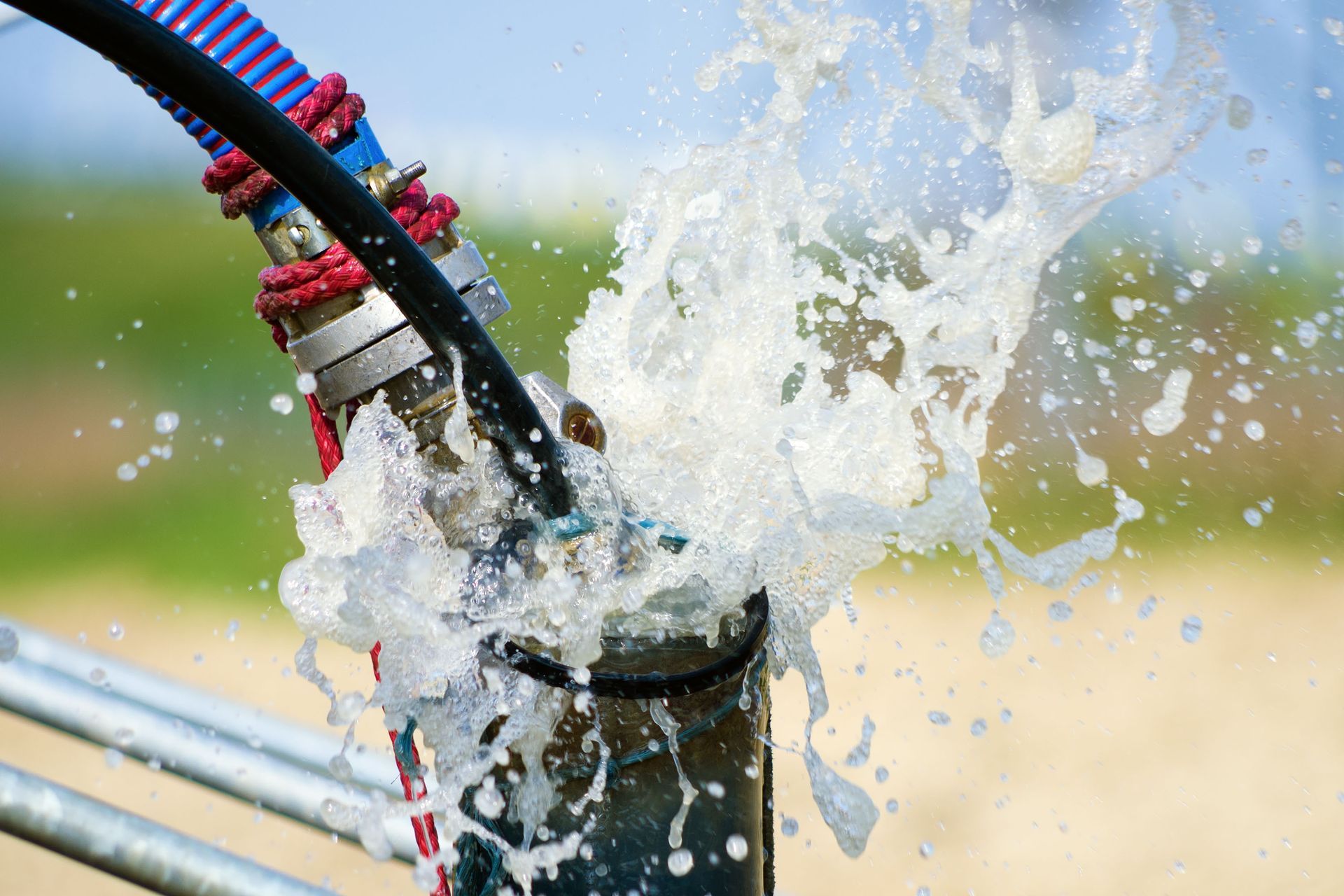
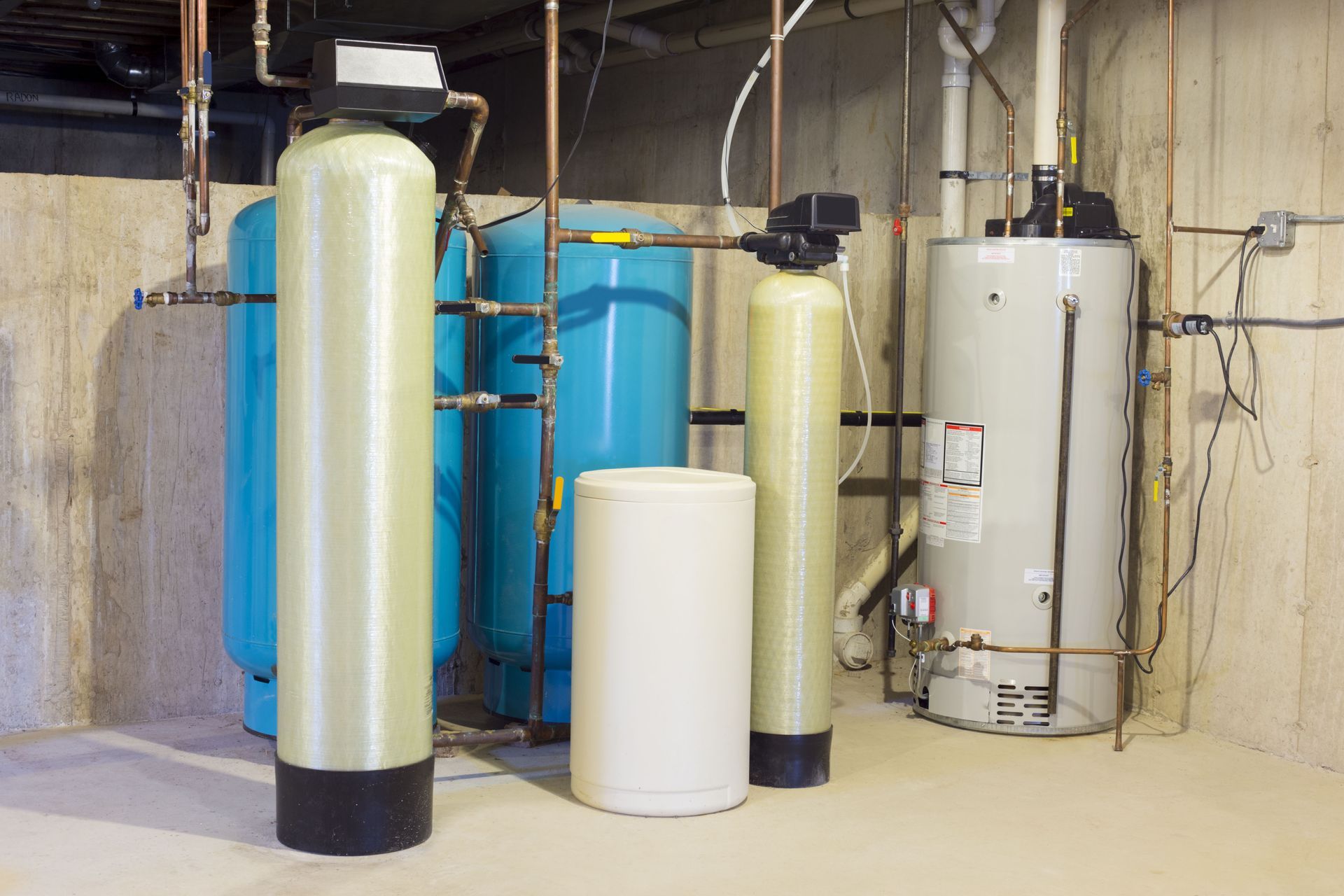
After drilling is complete, casing is installed to stabilize the well and protect the water supply from contaminants. A well pump is then added to transport water from underground to the home. Testing is typically conducted to evaluate water flow, pressure, and quality before the system becomes operational.


Homeowners trust a local well drilling service because professionals follow detailed procedures that prioritize both performance and safety. Proper construction techniques help prevent contamination, equipment failure, and structural issues that could compromise water quality over time.


Protecting Water Quality Through Proper Construction

Water quality is one of the primary concerns for homeowners using private wells. A properly constructed well helps protect groundwater from contaminants such as bacteria, chemicals, runoff, and debris. Professional installation is critical because even small construction errors can increase the risk of contamination.


Well casing, sealing materials, and secure caps all play important roles in safeguarding the water supply. According to WellOwner.org, ensure that the well is capped and secure after construction, and that the cap is at least six inches above ground level. This precaution helps reduce the risk of surface contaminants entering the well system.


A local well drilling service understands the importance of following industry standards that protect both homeowners and surrounding groundwater resources. Professional oversight during installation can help ensure the well remains clean, functional, and compliant with local health requirements.


The Environmental Benefits of Private Wells

Many homeowners appreciate the environmental advantages associated with private wells. Groundwater is a naturally replenished resource when managed responsibly, making wells a sustainable option for long-term residential water use. By relying on underground aquifers, homeowners may reduce the strain placed on municipal treatment and distribution systems.


Private wells also eliminate the need for extensive infrastructure required to transport municipal water over long distances. This can reduce energy consumption associated with large-scale treatment facilities and water delivery networks. Additionally, many homeowners prefer the natural quality and taste of groundwater sourced directly from underground aquifers.


Professional drilling practices contribute to environmental sustainability by minimizing disruption to surrounding land and protecting groundwater quality. A trusted local well drilling service can help homeowners maintain environmentally responsible water systems that support both household needs and local ecosystems.


How Well Systems Support Long-Term Savings

Although installing a private well requires an upfront investment, many homeowners view it as a cost-effective long-term solution. Municipal water bills can increase steadily over time, especially in areas with high usage rates or infrastructure upgrades. A private well allows homeowners to access water without ongoing utility costs for every gallon used.


Once installed, operating costs are generally limited to electricity for the pump system, periodic inspections, and occasional maintenance. Over the lifespan of the well, these expenses may be significantly lower than long-term municipal water fees.


Homeowners often trust a local well drilling service because professionals can recommend efficient systems designed to minimize energy use and maximize performance. Proper installation also helps reduce the likelihood of costly repairs caused by poor construction or improper equipment sizing.


The Role of Water Testing and Maintenance

Regular testing and maintenance are essential components of responsible well ownership. Even a properly installed well requires ongoing monitoring to ensure water remains safe for household use. Water testing helps identify potential contaminants such as bacteria, nitrates, minerals, or other impurities that may affect quality.


Professional inspections also allow technicians to evaluate the condition of the well casing, pump system, pressure tank, and other components. Detecting problems early can help prevent equipment failure and avoid costly emergency repairs.


Many homeowners continue working with the same local well drilling service after installation because ongoing maintenance creates confidence in the reliability of the water system. Having access to knowledgeable professionals who understand the well’s construction history can make future inspections and repairs more efficient.


Why Professional Expertise Makes a Difference

Well drilling is a specialized field that requires technical knowledge, precision, and adherence to safety regulations. Improper drilling methods or poorly installed systems can create long-term problems involving contamination, low water pressure, or equipment failure. Professional expertise is essential for protecting both the homeowner’s investment and the surrounding environment.


Experienced drilling professionals understand how to evaluate groundwater conditions, install durable systems, and address challenges that may arise during construction. Their training and equipment allow them to complete projects efficiently while maintaining high standards for safety and performance.


Homeowners trust a local well drilling service because professional guidance provides confidence throughout every stage of the process. From selecting the right location to maintaining water quality over time, expert support helps ensure the system operates reliably for years to come.


As homeowners increasingly prioritize sustainability, reliability, and long-term value, private wells remain an attractive solution for residential water needs. Contact our team at Saratoga Water Well & Pump Co today!
water well drilling
March 24, 2026
Wondering how to prepare your property for a water well drilling project? Check out this guide and call today to learn more!
pump service
February 18, 2026
If you’re seeing any of these warning signs, it may be time to schedule a professional pump service with Saratoga Water Well & Pump Co.
water well
December 2, 2025
Water wells are critical for providing clean, reliable water to homes, farms, and businesses across the country. Millions of people rely on these systems daily, often without realizing the risks that can threaten their water supply. While generally dependable, water wells can encounter emergencies that compromise water quality, availability, or safety. These emergencies can be caused by contamination, mechanical failure, water shortages, electrical malfunctions, legal issues, or lapses in preventative maintenance. Understanding what qualifies as a water well emergency is essential for well owners and communities that depend on these systems. Without proper awareness, minor problems can quickly escalate into significant crises, leaving residents without safe drinking water or causing costly repairs. By learning how to recognize early warning signs, implement preventive measures, and respond effectively, well owners can protect both their property and the health of their community. This guide outlines the main types of water well emergencies and provides actionable strategies for managing them. Contaminated Water Contaminated water represents one of the most serious water well emergencies because it directly threatens the health of all users. Contamination can come from agricultural runoff, industrial waste, leaking septic systems, or naturally occurring elements like arsenic or manganese. Common indicators include changes in water taste, color, or odor, as well as sudden health complaints among household members. Bacterial contamination, such as E. coli, is particularly dangerous, causing severe gastrointestinal illness in children, adults, and the elderly. Nitrates, often found in fertilizer runoff, pose serious risks to infants and pregnant women, potentially leading to conditions like methemoglobinemia. Heavy metals, such as lead, iron, or arsenic, can have long-term health consequences if not addressed promptly. Regular water testing—at least once a year—is crucial, especially in areas with high agricultural or industrial activity. Preventative measures can significantly reduce the risk of contamination. Properly sealing the well cap, maintaining safe distances from septic systems or chemical storage areas, and installing filtration or disinfection systems are all effective strategies. If contamination is suspected, stop using the water immediately and contact local health authorities. Quick action helps prevent illness and protects the community relying on the water well. Mechanical Failure Mechanical failure is another frequent cause of water well emergencies. Pumps are the most vulnerable components and can fail due to electrical issues, worn-out parts, or insufficient maintenance. Common signs of failure include reduced water flow, strange noises, high electricity usage, or inconsistent water pressure. If these issues are ignored, they can escalate into a complete water outage. Pressure tanks also play a critical role in the system. Malfunctions can cause erratic water pressure, short-cycling of the pump, or even damage to piping and valves. Electrical system problems, corroded pipes, and leaking components further increase the risk of an emergency. Routine inspections allow well owners to detect early signs of wear, while professional maintenance can address subtle issues before they become critical. Properly maintained pumps can last 15 years or more, according to WaterWellOwners, demonstrating the value of proactive care. Documenting all repairs and inspections ensures owners can track the health of the system and anticipate when parts may need replacement. Mechanical failures, though common, are largely preventable with consistent oversight and timely maintenance. Low Water Levels Low water levels can create serious water well emergencies, particularly in areas that rely solely on well water. Factors like drought, overuse, and seasonal fluctuations in aquifer levels can reduce water availability. Measuring static water levels and comparing them to historical averages helps well owners detect potential shortages early. Persistently low levels may indicate issues with the aquifer, over-extraction, or problems within the well itself. Drought conditions worsen the impact, lowering recharge rates and increasing stress on both the well and aquifer. Water conservation becomes crucial during these periods, and well owners should be familiar with local restrictions and recommendations. Technological solutions, such as variable frequency drives (VFDs), can optimize pump efficiency, reduce energy usage, and help maintain stable water flow even during challenging conditions. Emergency preparedness is key. Maintaining water storage tanks, developing rationing strategies, and coordinating with local authorities can help communities navigate periods of scarcity. By proactively managing usage and monitoring aquifer health, well owners can prevent low water levels from escalating into full-scale crises. Electrical or Pump Malfunction Electrical or pump malfunctions can lead to immediate water well emergencies, often leaving homes or businesses without water until repairs are made. Pumps may fail to operate due to motor burnout, electrical shorts, or faulty wiring. In some cases, a pump may work intermittently, providing inconsistent water pressure that can disrupt daily activities. Recognizing early warning signs—such as unusual noises, slow water flow, or excessive energy consumption—is essential. Regular inspection of the pump motor, wiring, and control panels can prevent sudden failures. Pressure tank issues often accompany electrical malfunctions, causing pumps to cycle too frequently or water pressure to fluctuate unpredictably. Prompt professional intervention ensures that electrical and pump issues are resolved quickly, reducing downtime and preventing further damage to the water well system. In many cases, preventative maintenance and timely repairs can prevent emergencies before they occur, highlighting the importance of both regular inspections and professional oversight. Legal or Regulatory Issues Legal or regulatory problems can also result in water well emergencies, especially when owners are unaware of local water laws. Regulations vary by region and define what qualifies as an emergency, how incidents must be reported, and which safety standards must be met. Noncompliance can result in fines, restricted water use, or liability if contamination or damage occurs. Environmental regulations govern chemical storage, waste disposal, and pollution prevention near well sites. Failing to follow these guidelines can lead to serious contamination and legal consequences. Well owners should also understand insurance requirements and maintain accurate documentation of inspections, maintenance, and incidents to ensure coverage in emergencies. Resources such as local water authorities, professional consultants, and community networks provide guidance and support. Staying informed about regulations, reporting requirements, and best practices helps well owners manage emergencies effectively while maintaining legal and environmental compliance. Awareness and preparation can prevent regulatory issues from escalating into crises that threaten water access. Preventative Maintenance Oversights Neglecting preventative maintenance is one of the most common contributors to water well emergencies. Skipping routine inspections, failing to monitor water quality, or ignoring early warning signs can allow minor issues to escalate into major problems. Regular checks of pumps, pressure tanks, piping, and wellheads are essential for identifying wear and corrosion before they compromise water supply. Maintaining records of inspections, repairs, and replacements helps track system performance and plan future maintenance. Education is another crucial factor. Well owners should learn basic well mechanics, understand common failure points, and participate in community workshops or collaborative networks. These efforts strengthen resilience and ensure that water wells remain reliable and safe. Preventative measures not only extend the lifespan of the system but also protect water quality and reduce the likelihood of costly emergencies. By combining maintenance, education, and community support, well owners can safeguard their water well and the health of all who depend on it. Recognizing different types of water well emergencies—contaminated water, mechanical failure, low water levels, electrical or pump malfunctions, legal or regulatory issues, and preventative maintenance oversights—is essential for maintaining a safe, reliable water supply. Proactive management, regular inspections, education, and community collaboration allow well owners to prevent emergencies, ensure compliance, and extend the lifespan of their systems. By taking these steps, well owners protect both water quality and availability, avoid costly repairs, and support sustainable groundwater use. For reliable water well services and emergency support, trust Saratoga Water Well & Pump Co. to keep your water safe, accessible, and dependable.
local well drilling service
May 15, 2024
Are you looking for a local well drilling service? Here are some reasons to hire one today! Let's take a look for more information!
water well pump
November 21, 2023
Your water well pump is an essential aspect of your residential property. Here are a few tips to ensure your pump lasts as long as possible.
pump service
May 10, 2023
A professional water pump service can keep your pump functional for years with regular maintenance. To get your pump serviced, give us a call!
professional well drilling service
November 9, 2022
Want to learn more about the benefits of owning a water well from a professional well drilling service? Read this blog then call us today to get started.
well drilling company
April 20, 2022
Learn how to choose a reputable well drilling company. Give us a call to get started!
well drilling service
November 1, 2021
Check out our post about the things to know before drilling a well. If you're in need of a well drilling service, contact us today.