3 Things You should Know about Water Wells

September 11, 2026

Water wells are a critical component of modern water supply systems, providing essential access to water for households, agriculture, and industries. With the increasing challenges of water scarcity globally, understanding the fundamentals of groundwater systems becomes crucial. Below, we'll delve into the history, types, and maintenance of water wells, including their economic and environmental impacts. We'll also explore ongoing innovations in the field, emphasizing the future perspectives and sustainable practices needed in water well management. Through a detailed exploration, readers will grasp the significance of these systems in supporting human activities across various sectors.


1. History and Evolution of Well Infrastructure

1.1. Early Techniques and Technologies

In ancient civilizations, water wells were vital for survival, with techniques evolving over centuries. Early methods involved digging shallow holes by hand or using rudimentary tools to access groundwater. These wells were often lined with stone or wood to prevent collapse and contamination. Communities worked collectively to construct and maintain these wells, underscoring their importance in daily life. Although primitive, these techniques laid the groundwork for more sophisticated well construction methods in later years.


1.2. Technological Advancements

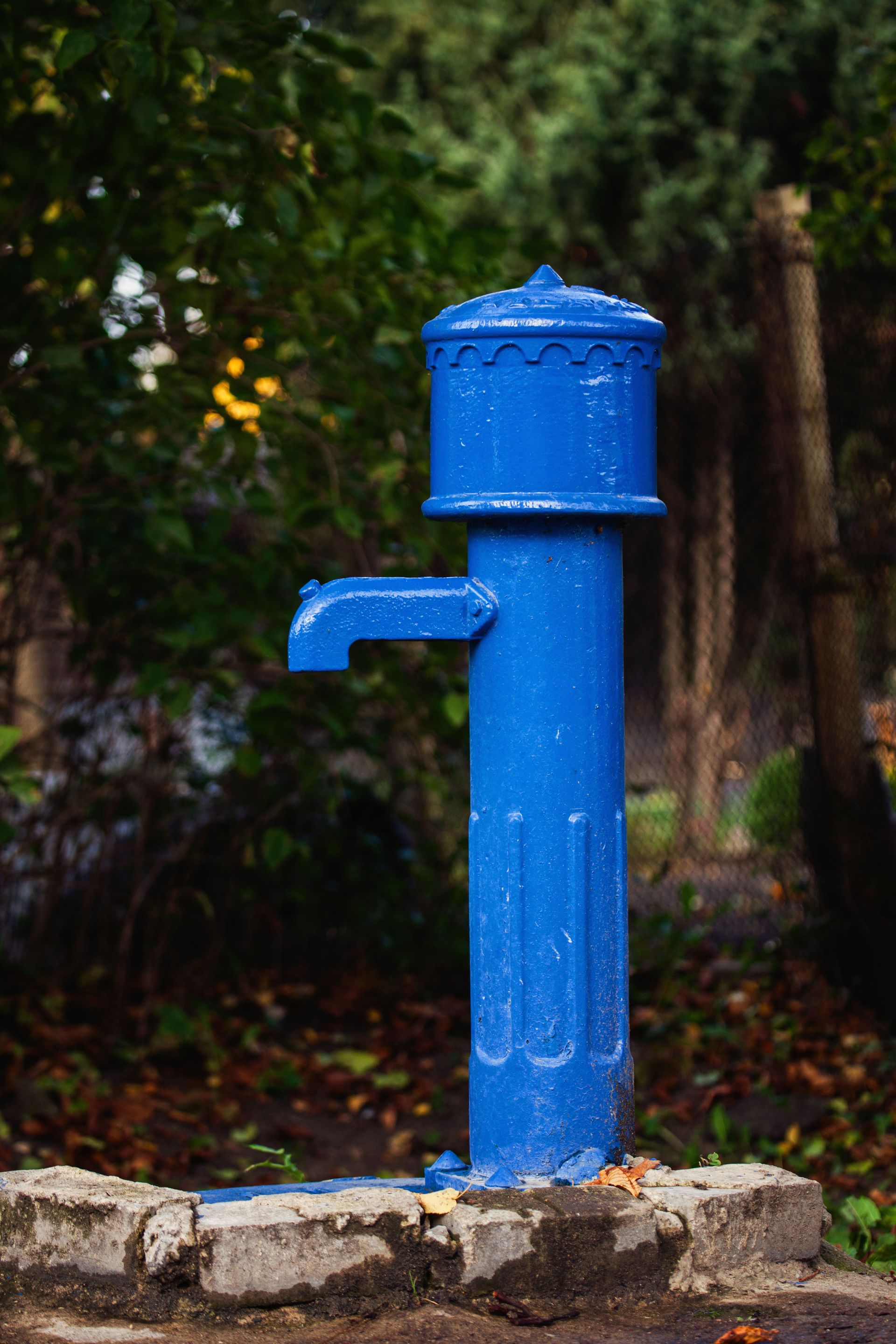
With the advent of the Industrial Revolution, technological innovations transformed well construction significantly. New machinery and materials such as cast iron pipes and steam-driven drilling equipment improved the depth and efficiency of wells. This evolution allowed for deeper wells capable of tapping into more plentiful and reliable water sources. According to the EPA, drinking water wells may be as shallow as 50 feet or fewer or deeper than 1,000 feet, highlighting the range of advancements. These technological strides not only improved access to water but also enhanced the quality and safety of water drawn from wells.


1.3. Cultural Significance

The cultural significance of groundwater sources cannot be overstated, as they often served as communal gathering points in various societies. In many cultures, wells were considered sacred, with rituals and traditions centered around them. Their construction and maintenance were often tied to religious and social practices, reflecting their importance beyond mere utility. The presence of a well often symbolized prosperity and stability, ensuring the community's survival through periods of drought. These cultural dimensions underscore the deep-seated human connection to sources of water and sustenance.


1.4. Modern Developments

Modern water wells benefit from advanced materials and engineering designs, ensuring durability and efficiency. The use of reinforced concrete, stainless steel, and PVC materials in well construction has improved their lifespan and resistance to contamination. Recent innovations include automated monitoring systems that provide real-time data on water levels and quality. These advancements allow for preventive maintenance and ensure sustainable water management. Moreover, modern wells integrate seamlessly with larger water distribution systems, supporting urban and rural demands effectively.


2. Types of Water Wells

2.1. Dug Wells

Dug wells are among the simplest types of wells, traditionally constructed by hand. These wells are typically shallow, often reaching depths of just a few meters, and are prone to contamination from surface runoff. They are lined with stone, brick, or concrete to prevent collapse and improve structural integrity. While they provide an accessible means to obtain groundwater, dug wells are limited in their capacity to supply large volumes of water. Despite their limitations, they offer a viable option in areas where other types of wells are not feasible.


2.2. Driven Wells

Driven wells are created by driving a small-diameter pipe into the ground using specialized equipment. This method is suitable for areas with loose soil conditions and shallow water tables. Driven wells, typically less than 50 feet deep, can be installed quickly and are relatively inexpensive. However, they are also susceptible to contamination and may require regular disinfection to ensure water quality. These wells are often used for temporary water supply needs or in emergency situations where quick access to water is required.


2.3. Drilled Wells

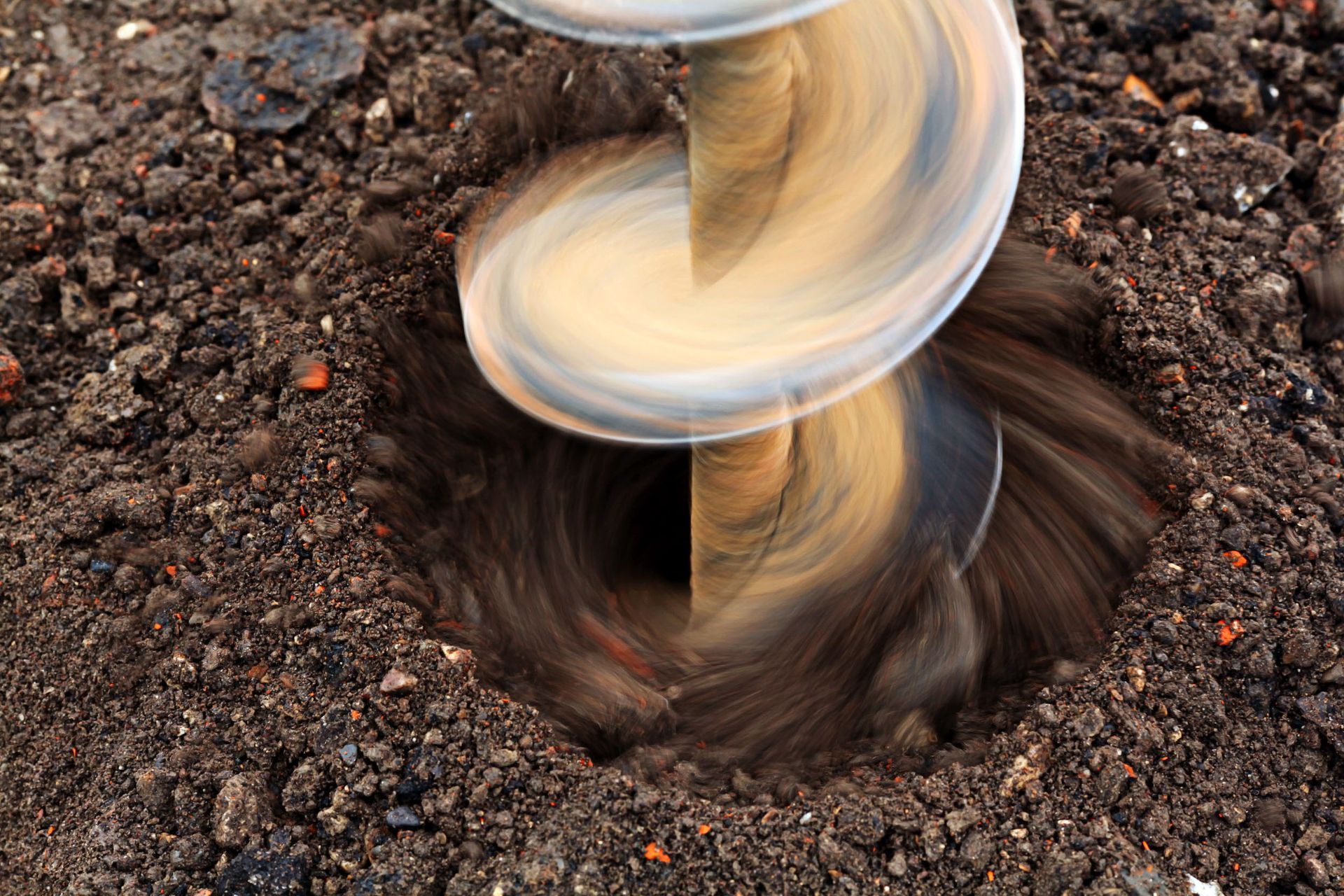
Drilled wells are constructed using rotary or percussion drilling equipment, allowing access to deep water sources. These wells can reach depths of over 1,000 feet, tapping into aquifers far below the earth's surface. Drilled wells offer a reliable water supply and are less likely to be impacted by surface contamination. Regular maintenance is critical to ensure their efficiency, involving routine inspections and cleaning of well components. Despite higher costs, drilled wells are preferred for their long-term stability and consistent water output.


2.4. Jetted Wells

Jetted wells involve the use of high-pressure jets to displace soil and enable well installation. This technique is effective in sandy or loose soil conditions where traditional drilling methods are challenging. Jetted wells can be installed relatively quickly, offering a cost-effective solution in suitable environments. The process also minimizes disturbance to the surrounding area, making it an environmentally friendly option. However, their application is limited to specific geological conditions, restricting their widespread use.


3. Water Quality Considerations

3.1. Testing and Monitoring

Regular testing and monitoring of well water quality are essential to ensure safety for consumption and use. Water quality tests typically assess parameters like pH, bacterial contamination, mineral content, and chemical presence. Advanced monitoring systems can provide continuous data, alerting operators to changes in water quality promptly. Implementing a regular testing schedule helps in detecting and addressing contamination issues early. Adherence to testing protocols ensures the long-term health and safety of well users and the surrounding community.


3.2. Contamination Sources

Contamination of well water can arise from various sources, including agricultural runoff, industrial discharges, and faulty sewage systems. Natural contaminants like arsenic and fluoride may also be present in groundwater, posing health risks if not properly managed. Implementing protective measures such as well caps and proper sealing can mitigate contamination risks. Awareness of local industrial and agricultural activities is crucial for assessing potential contamination threats. Preventive measures, combined with regular monitoring, are vital in maintaining well water quality.


3.3. Treatment Options

When contamination is detected, several treatment options are available to ensure water safety. Filtration systems can remove particulate matter and some types of chemical contaminants. Chemical treatments, including chlorination, provide effective disinfection against bacterial pathogens. Advanced treatment options such as reverse osmosis and UV water purification offer comprehensive solutions for severe contamination. Selecting the appropriate treatment method depends on the specific contaminants present and the intended use of the water. Well owners must regularly evaluate treatment systems to ensure their effectiveness and efficiency.


3.4. Regulatory Standards

Local and international regulatory standards govern water quality to protect public health. Agencies like the Environmental Protection Agency (EPA) establish guidelines for acceptable levels of contaminants in drinking water. Compliance with these standards is mandatory for public water systems, including wells, to ensure water safety. Regular audits and inspections enforce regulatory adherence, encouraging well operators to maintain high water quality standards. Staying informed about regulatory updates and advancements in water treatment technology is crucial for well management success.


3.5. Impact of Climate Change

Climate change poses significant challenges to water quality and availability in water wells. Rising temperatures and shifting precipitation patterns can alter groundwater recharge rates, impacting well water levels. Extreme weather events increase the risk of contamination from surface runoff and flooding. Adaptation strategies, such as water conservation measures and infrastructure upgrades, are necessary to mitigate these effects. Understanding and planning for climate change impacts ensure the resilience and sustainability of well infrastructure in the face of environmental uncertainties.


Water wells remain integral to ensuring access to vital water resources across various sectors, from agriculture to industry. As this article outlines, understanding the history, types, and maintenance of private supply systems highlights their enduring significance and potential for innovation. With the challenges imposed by climate change and growing water demand, sustainable practices and technological advancements in well management are imperative. The need for effective and integrated well systems will continue to grow, necessitating ongoing research and development efforts. For professional installation, maintenance, and expert solutions tailored to your property, contact Saratoga Water Well & Pump Co. today.
water well pump
August 14, 2026
Experiencing low water pressure? Learn how to troubleshoot your water well pump, pressure switch, filters, and tank to restore strong flow to your home.
water wells
July 24, 2026
Discover how water wells can reduce utility costs, support outdoor water use, and provide long-term savings for homeowners and rural properties.
water well pumps
June 16, 2026
Ensure a reliable flow of clean water to your home with our premium water well pumps. Explore top brands, expert installation, and fast repairs.
local well drilling service
May 30, 2026
A private well installed by a local well drilling service is the best solution for homeowners who prioritize sustainability and long-term value.
water well drilling
March 24, 2026
Wondering how to prepare your property for a water well drilling project? Check out this guide and call today to learn more!
pump service
February 18, 2026
If you’re seeing any of these warning signs, it may be time to schedule a professional pump service with Saratoga Water Well & Pump Co.
water well
December 2, 2025
Water wells are critical for providing clean, reliable water to homes, farms, and businesses across the country. Millions of people rely on these systems daily, often without realizing the risks that can threaten their water supply. While generally dependable, water wells can encounter emergencies that compromise water quality, availability, or safety. These emergencies can be caused by contamination, mechanical failure, water shortages, electrical malfunctions, legal issues, or lapses in preventative maintenance. Understanding what qualifies as a water well emergency is essential for well owners and communities that depend on these systems. Without proper awareness, minor problems can quickly escalate into significant crises, leaving residents without safe drinking water or causing costly repairs. By learning how to recognize early warning signs, implement preventive measures, and respond effectively, well owners can protect both their property and the health of their community. This guide outlines the main types of water well emergencies and provides actionable strategies for managing them. Contaminated Water Contaminated water represents one of the most serious water well emergencies because it directly threatens the health of all users. Contamination can come from agricultural runoff, industrial waste, leaking septic systems, or naturally occurring elements like arsenic or manganese. Common indicators include changes in water taste, color, or odor, as well as sudden health complaints among household members. Bacterial contamination, such as E. coli, is particularly dangerous, causing severe gastrointestinal illness in children, adults, and the elderly. Nitrates, often found in fertilizer runoff, pose serious risks to infants and pregnant women, potentially leading to conditions like methemoglobinemia. Heavy metals, such as lead, iron, or arsenic, can have long-term health consequences if not addressed promptly. Regular water testing—at least once a year—is crucial, especially in areas with high agricultural or industrial activity. Preventative measures can significantly reduce the risk of contamination. Properly sealing the well cap, maintaining safe distances from septic systems or chemical storage areas, and installing filtration or disinfection systems are all effective strategies. If contamination is suspected, stop using the water immediately and contact local health authorities. Quick action helps prevent illness and protects the community relying on the water well. Mechanical Failure Mechanical failure is another frequent cause of water well emergencies. Pumps are the most vulnerable components and can fail due to electrical issues, worn-out parts, or insufficient maintenance. Common signs of failure include reduced water flow, strange noises, high electricity usage, or inconsistent water pressure. If these issues are ignored, they can escalate into a complete water outage. Pressure tanks also play a critical role in the system. Malfunctions can cause erratic water pressure, short-cycling of the pump, or even damage to piping and valves. Electrical system problems, corroded pipes, and leaking components further increase the risk of an emergency. Routine inspections allow well owners to detect early signs of wear, while professional maintenance can address subtle issues before they become critical. Properly maintained pumps can last 15 years or more, according to WaterWellOwners, demonstrating the value of proactive care. Documenting all repairs and inspections ensures owners can track the health of the system and anticipate when parts may need replacement. Mechanical failures, though common, are largely preventable with consistent oversight and timely maintenance. Low Water Levels Low water levels can create serious water well emergencies, particularly in areas that rely solely on well water. Factors like drought, overuse, and seasonal fluctuations in aquifer levels can reduce water availability. Measuring static water levels and comparing them to historical averages helps well owners detect potential shortages early. Persistently low levels may indicate issues with the aquifer, over-extraction, or problems within the well itself. Drought conditions worsen the impact, lowering recharge rates and increasing stress on both the well and aquifer. Water conservation becomes crucial during these periods, and well owners should be familiar with local restrictions and recommendations. Technological solutions, such as variable frequency drives (VFDs), can optimize pump efficiency, reduce energy usage, and help maintain stable water flow even during challenging conditions. Emergency preparedness is key. Maintaining water storage tanks, developing rationing strategies, and coordinating with local authorities can help communities navigate periods of scarcity. By proactively managing usage and monitoring aquifer health, well owners can prevent low water levels from escalating into full-scale crises. Electrical or Pump Malfunction Electrical or pump malfunctions can lead to immediate water well emergencies, often leaving homes or businesses without water until repairs are made. Pumps may fail to operate due to motor burnout, electrical shorts, or faulty wiring. In some cases, a pump may work intermittently, providing inconsistent water pressure that can disrupt daily activities. Recognizing early warning signs—such as unusual noises, slow water flow, or excessive energy consumption—is essential. Regular inspection of the pump motor, wiring, and control panels can prevent sudden failures. Pressure tank issues often accompany electrical malfunctions, causing pumps to cycle too frequently or water pressure to fluctuate unpredictably. Prompt professional intervention ensures that electrical and pump issues are resolved quickly, reducing downtime and preventing further damage to the water well system. In many cases, preventative maintenance and timely repairs can prevent emergencies before they occur, highlighting the importance of both regular inspections and professional oversight. Legal or Regulatory Issues Legal or regulatory problems can also result in water well emergencies, especially when owners are unaware of local water laws. Regulations vary by region and define what qualifies as an emergency, how incidents must be reported, and which safety standards must be met. Noncompliance can result in fines, restricted water use, or liability if contamination or damage occurs. Environmental regulations govern chemical storage, waste disposal, and pollution prevention near well sites. Failing to follow these guidelines can lead to serious contamination and legal consequences. Well owners should also understand insurance requirements and maintain accurate documentation of inspections, maintenance, and incidents to ensure coverage in emergencies. Resources such as local water authorities, professional consultants, and community networks provide guidance and support. Staying informed about regulations, reporting requirements, and best practices helps well owners manage emergencies effectively while maintaining legal and environmental compliance. Awareness and preparation can prevent regulatory issues from escalating into crises that threaten water access. Preventative Maintenance Oversights Neglecting preventative maintenance is one of the most common contributors to water well emergencies. Skipping routine inspections, failing to monitor water quality, or ignoring early warning signs can allow minor issues to escalate into major problems. Regular checks of pumps, pressure tanks, piping, and wellheads are essential for identifying wear and corrosion before they compromise water supply. Maintaining records of inspections, repairs, and replacements helps track system performance and plan future maintenance. Education is another crucial factor. Well owners should learn basic well mechanics, understand common failure points, and participate in community workshops or collaborative networks. These efforts strengthen resilience and ensure that water wells remain reliable and safe. Preventative measures not only extend the lifespan of the system but also protect water quality and reduce the likelihood of costly emergencies. By combining maintenance, education, and community support, well owners can safeguard their water well and the health of all who depend on it. Recognizing different types of water well emergencies—contaminated water, mechanical failure, low water levels, electrical or pump malfunctions, legal or regulatory issues, and preventative maintenance oversights—is essential for maintaining a safe, reliable water supply. Proactive management, regular inspections, education, and community collaboration allow well owners to prevent emergencies, ensure compliance, and extend the lifespan of their systems. By taking these steps, well owners protect both water quality and availability, avoid costly repairs, and support sustainable groundwater use. For reliable water well services and emergency support, trust Saratoga Water Well & Pump Co. to keep your water safe, accessible, and dependable.
local well drilling service
May 15, 2024
Are you looking for a local well drilling service? Here are some reasons to hire one today! Let's take a look for more information!
water well pump
November 21, 2023
Your water well pump is an essential aspect of your residential property. Here are a few tips to ensure your pump lasts as long as possible.
pump service
May 10, 2023
A professional water pump service can keep your pump functional for years with regular maintenance. To get your pump serviced, give us a call!