
5 Reasons Your Water Well Pump May Be Losing Pressure
A sudden drop in water pressure can be both inconvenient and concerning for homeowners relying on a well. Understanding the various reasons why your system might be failing is crucial for effective troubleshooting, timely repairs, and ensuring an uninterrupted flow throughout your home. This guide explores the primary causes of pressure drops in well systems and offers insights on how to address each issue. By identifying potential problems early on, homeowners can prevent costly damage to their equipment. Armed with this knowledge, you can ensure a reliable and efficient water supply for your household.
Troubleshooting Clogged Pipes and Filter Blockages
Clogged pipes are a typical culprit when it comes to pressure loss in your household water supply. Mineral deposits, rust, and organic matter can accumulate inside your plumbing over time, severely restricting the flow. Areas with hard water are especially prone to mineral scale buildup, which creates narrow pathways for incoming water. Homeowners should stay alert for early signs of pipe clogs, such as slight water discoloration or a gradual reduction in flow across multiple faucets, so that cleaning can happen before a total blockage occurs.
Whole-house and point-of-use filters are designed to trap sediment, sand, and debris to protect your internal fixtures. However, when these filters reach their total holding capacity, heavy blockages occur that sharply reduce overall water pressure. Regularly checking, cleaning, and replacing your filter media according to manufacturer recommendations is essential for maintaining steady movement through the lines. Ignoring filter maintenance forces your equipment to work much harder, compounding flow problems and risking motor damage.
Evaluating a Malfunctioning Pressure Switch
The pressure switch is a vital control component that directly regulates how your system delivers water. It monitors the internal pressure level within your storage tank and signals the pump motor to start or stop at set thresholds. When this switch malfunctions, it produces erratic water delivery, rapid cycling, or complete system shutoffs. Understanding how this switch monitors lines helps homeowners recognize when electrical contacts or sensor tubes are starting to fail.
Common signs of a failing pressure switch include rapid clicking sounds from the control box, pressure surges, or a total lack of water flow at the tap. Homeowners can perform basic checks by observing the pressure gauge while running a fixture to see if the switch turns on and off at the correct cut-in and cut-out settings. If the switch settings drift over time, manual calibration or contact cleaning may restore temporary operation, though worn switches typically require a full replacement.
Deciding whether to adjust or replace a faulty switch often comes down to the age and physical condition of the contacts. While adjusting cut-in and cut-out points is straightforward, internal corrosion or burned contact points mean the part has reached the end of its functional life. Because the switch directly handles high-voltage electricity alongside pressurized water, seeking professional assistance ensures safe installation and precise calibration for your setup.
Detecting Hidden System Leaks
Leaks anywhere within your plumbing infrastructure can dramatically drop operational pressure. Common leak locations include aging pipe joints, underground line fittings, pitless adapters, and main supply connections. As water escapes through small cracks or failed seals, the system struggles to maintain the set line pressure, causing your equipment to run continuously. Left unaddressed, even small subterranean leaks can lead to massive water waste and serious structural erosion around your property.
Effective leak detection requires inspecting visible indoor plumbing for signs of moisture, damp drywall, or dripping fittings while listening for the sound of running water when all taps are off. Advanced methods used by technicians include isolation pressure testing and acoustic leak detection to locate hidden underground main line breaks. Identifying and repairing leaks early restores full line force and protects your pump motor from burning out due to continuous operation.
While temporary fixes like pipe wraps or emergency sealants can stem a leak briefly, permanent solutions like section replacement or fitting upgrades are essential for long-term stability. Relying on quick fixes often leads to recurring pipe failures and higher utility expenses over time. Calling a professional plumber ensures that underground main lines and main connections are sealed correctly to safeguard your water supply.
Replacing Worn Mechanical Components
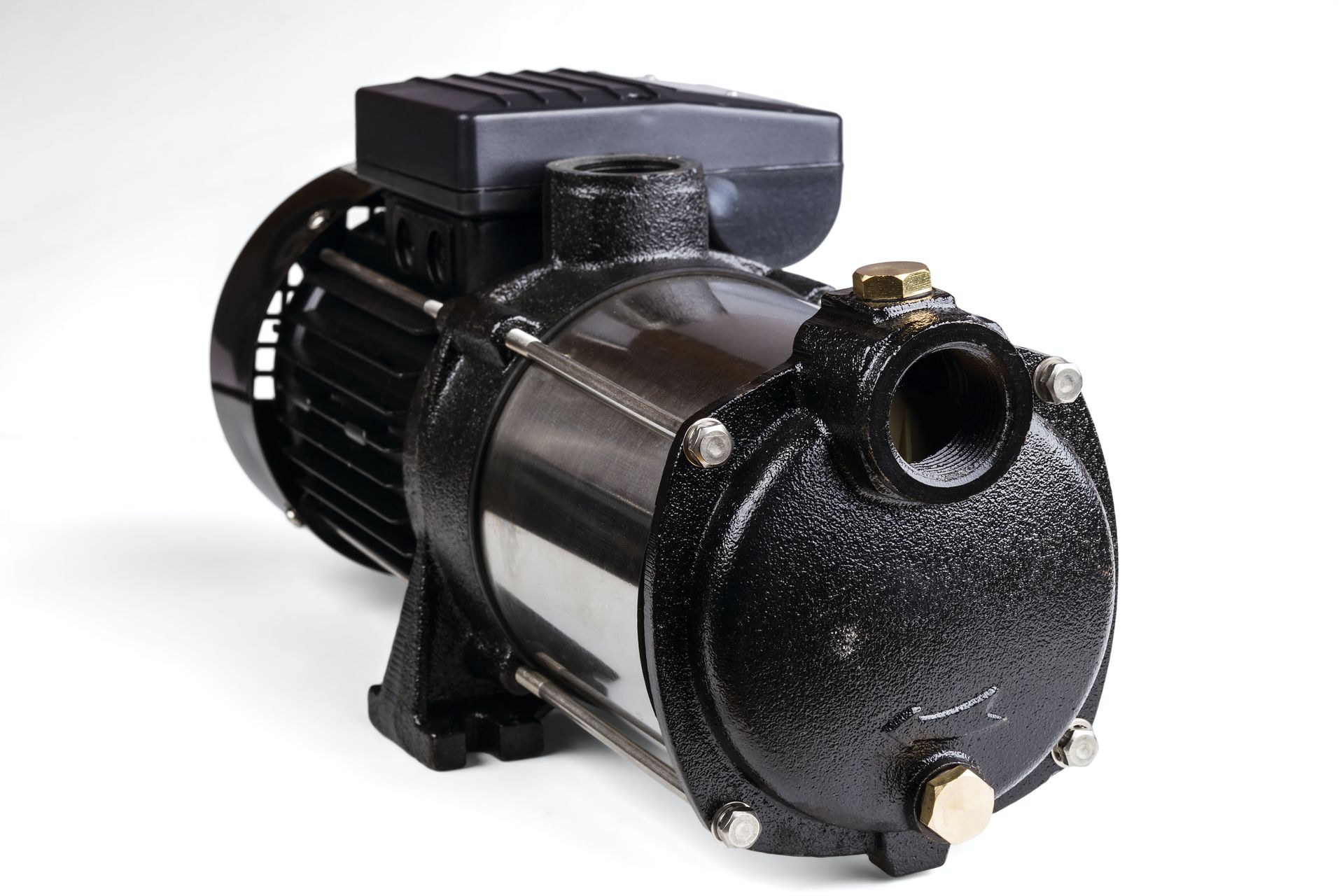
Mechanical degradation within the water well pump itself is a major source of sustained pressure loss. Over years of operation, internal components such as impellers, bearings, and drive shafts experience natural wear from friction and abrasive sediment. Recognizing signs of internal mechanical failure, such as grinding noises, excessive vibration, or continuous running without building adequate pressure, allows you to address pump issues before complete mechanical failure occurs.
System age plays a huge role in performance degradation over time. According to HomeGuide, well pumps usually need to be replaced every eight to fifteen years. When an older water well pump reaches the end of its service lifespan, internal wear prevents it from generating the force needed to push water up from the underground aquifer to your home. Regular professional inspections help track your equipment's condition so you can plan for a replacement before an emergency outage happens.
When facing a declining water well pump, homeowners must evaluate the cost-effectiveness of repairing individual parts versus replacing the entire unit. Replacing isolated components on an aging, deep-well water well pump often yields limited results compared to installing a modern, energy-efficient model. Working with an experienced specialist ensures you select a properly sized unit matching your well depth, flow rate, and household consumption demands.
Maintaining Proper Pressure Tank Dynamics
The pressure tank plays a critical role in maintaining steady household water pressure and protecting your
water well pump from frequent on-off cycling. Acting as a pressurized storage reservoir, the tank uses an internal air bladder to push water through your home's pipes on demand. When a pressure tank experiences bladder failure or loses its air charge, the system loses its buffering capacity, resulting in immediate pressure drops whenever a faucet opens.
Testing for pressure tank bladder failure involves checking the air valve located on top of the tank; if water squirts out when the valve stem is depressed, the internal bladder has ruptured. A waterlogged tank causes the pump to turn on and off rapidly every time water is used, putting extreme stress on the motor. Timely replacement of a damaged tank or failed bladder restores smooth delivery and prevents premature motor burnout across the system.
Resolving Complex Electrical Malfunctions
Electrical failures are a frequent yet overlooked cause of severe pressure loss in residential well systems. Your pump relies on a continuous, stable supply of electricity to run its motor and maintain pressure. Issues such as corroded wiring, failed start capacitors, tripped breakers, or blown fuses can interrupt power flow, causing the pump to run slowly or stop functioning altogether. Inspecting control boxes and wiring terminals helps prevent sudden electrical interruptions.
Signs of electrical problems impacting your water supply include frequent circuit breaker trips, flickering lights when the system starts, or a pump motor that hums without turning. Voltage fluctuations or loose control panel connections can prevent the motor from reaching its full operating speed, directly reducing water output. Prompt diagnostic work by a qualified technician isolates electrical faults before they cause permanent damage to the motor windings.
Maintaining strong, reliable water pressure depends on routine inspections, regular preventive maintenance, and addressing minor system issues promptly. By understanding how clogged filters, faulty switches, line leaks, mechanical wear, and tank issues impact performance, you can take action before a minor pressure drop turns into a complete water outage. Partnering with skilled professionals ensures your system operates efficiently and delivers clean, high-pressure water for years to come. For more information about the services that we offer, reach out to our incredible team at Saratoga Water Well and Pump Co today!
Share On: