
How Well Drilling Services Provide Water to American Households
Access to a reliable water supply is essential for drinking, cooking, cleaning, bathing, and many other daily household activities. While millions of Americans receive water through municipal systems, many households rely on private wells to obtain groundwater from beneath the surface. These wells can provide a practical water source in rural, suburban, and other areas where public water infrastructure may be unavailable or impractical.
Well drilling services play an important role in creating these private water systems. Professionals evaluate the property, identify suitable drilling locations, reach underground water-bearing formations, and construct wells designed to deliver water safely and consistently. Understanding how the process works can help homeowners appreciate the planning, equipment, and maintenance involved in establishing a dependable residential water source.
Evaluating the Property and Water Needs
Before drilling begins, professionals typically assess the property and consider factors that may affect the location and design of the well. Local geology, land elevation, nearby structures, property boundaries, septic systems, and potential contamination sources can all influence where a well should be placed. Local regulations may also establish minimum separation distances or permitting requirements.
Well drilling services can help property owners navigate these considerations before heavy equipment arrives. A contractor may review available geological information, inspect the site, and discuss the household's expected water demands. The goal is to choose a location that offers practical access to groundwater while allowing enough space for drilling equipment and future maintenance.
Household water needs can vary significantly depending on the number of occupants, appliances, outdoor irrigation, livestock, and other uses. Planning for expected demand helps professionals determine appropriate well dimensions, pump capacity, and related system components. Careful preparation reduces the risk of installing a system that cannot adequately support normal household use.
Locating and Reaching Groundwater
Groundwater collects beneath the Earth's surface in soil, sand, gravel, fractures, and porous rock formations. Water-bearing formations that can produce usable quantities of groundwater are commonly known as aquifers. Their depth and productivity can differ considerably from one property to another, which means drilling conditions are rarely identical.
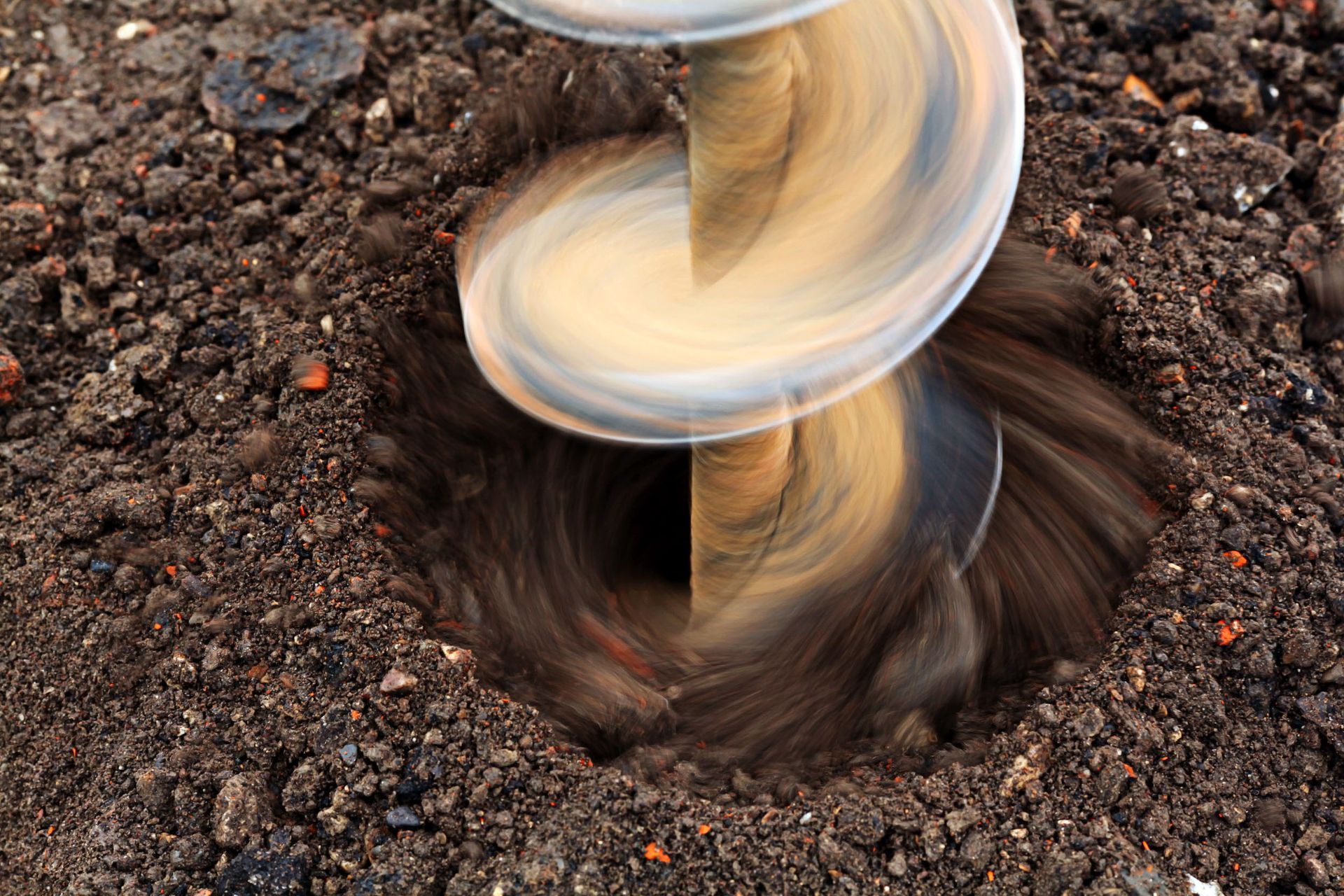
During well drilling services, specialized drilling equipment advances through layers of soil and rock until the well reaches a suitable groundwater source. The drilling method may vary based on geological conditions, required depth, accessibility, and the type of well being constructed. Professionals monitor conditions throughout the process and adjust their approach when harder rock, loose formations, or unexpected subsurface conditions are encountered.
The amount of water available from a completed well depends on the surrounding aquifer and how quickly groundwater can enter the well. A contractor may perform yield testing after drilling to evaluate how much water the well can produce. These results can help determine whether the well is capable of meeting anticipated household demand and what pump configuration may be appropriate.
Constructing and Protecting the Well
Reaching groundwater is only one part of creating a functional residential well. The drilled opening must also be constructed in a way that helps prevent soil, surface water, and contaminants from entering the water supply. Well casing is commonly installed inside the borehole to provide structural support and create a protected pathway between the groundwater source and the surface.
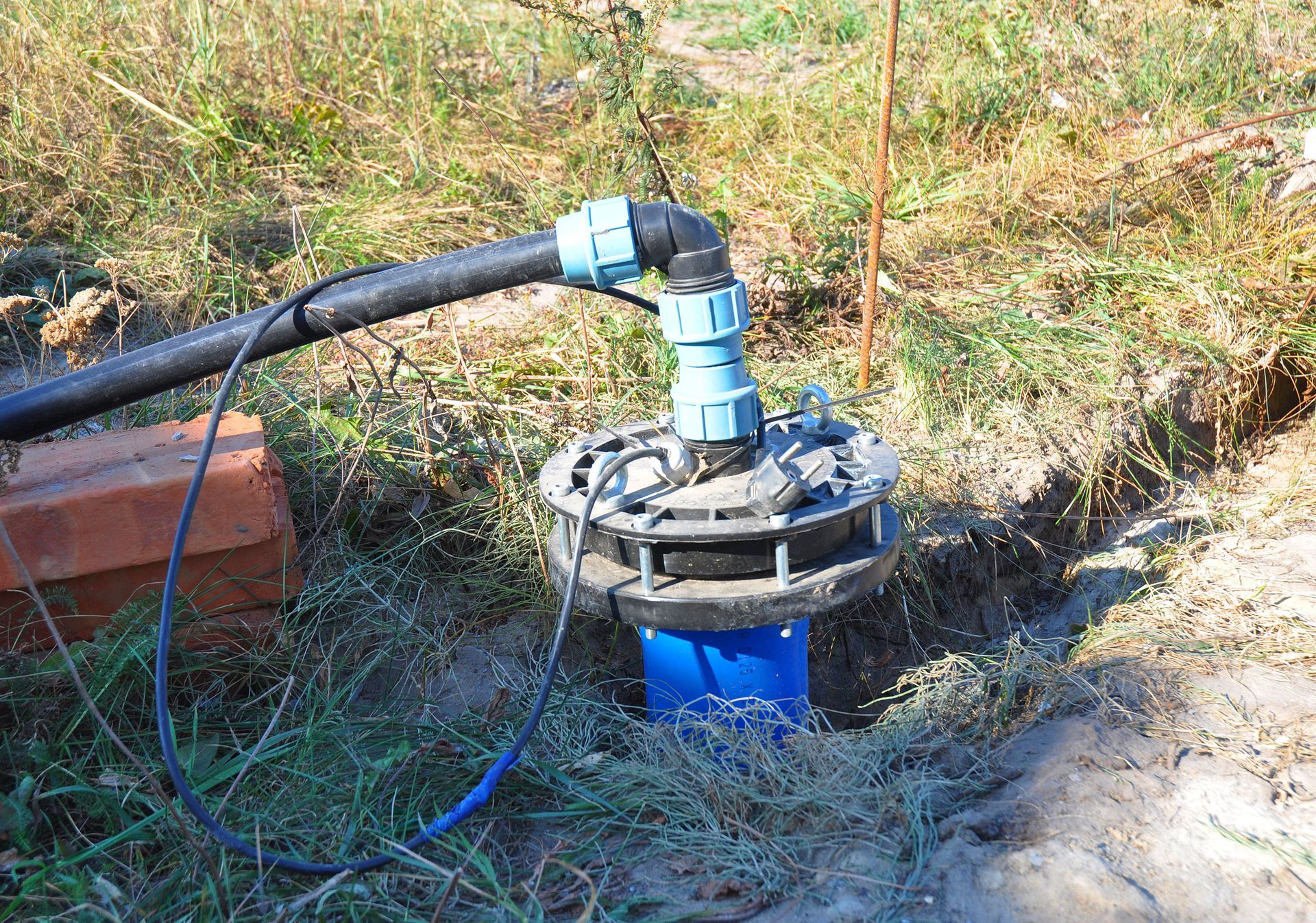
Well drilling services may also include sealing or grouting the space around the casing. This barrier can help keep surface runoff and shallow groundwater from traveling downward along the outside of the casing. A properly fitted well cap further protects the opening from insects, debris, small animals, and other materials.
These protective measures are especially important because households can use substantial amounts of water over time. According to a study by the EPA, the average American uses about 90 gallons of water at home each day, while the average household uses approximately 107,000 gallons annually. A well that supports this ongoing demand must be constructed with both water production and water quality protection in mind.
Installing the Pump and Water System
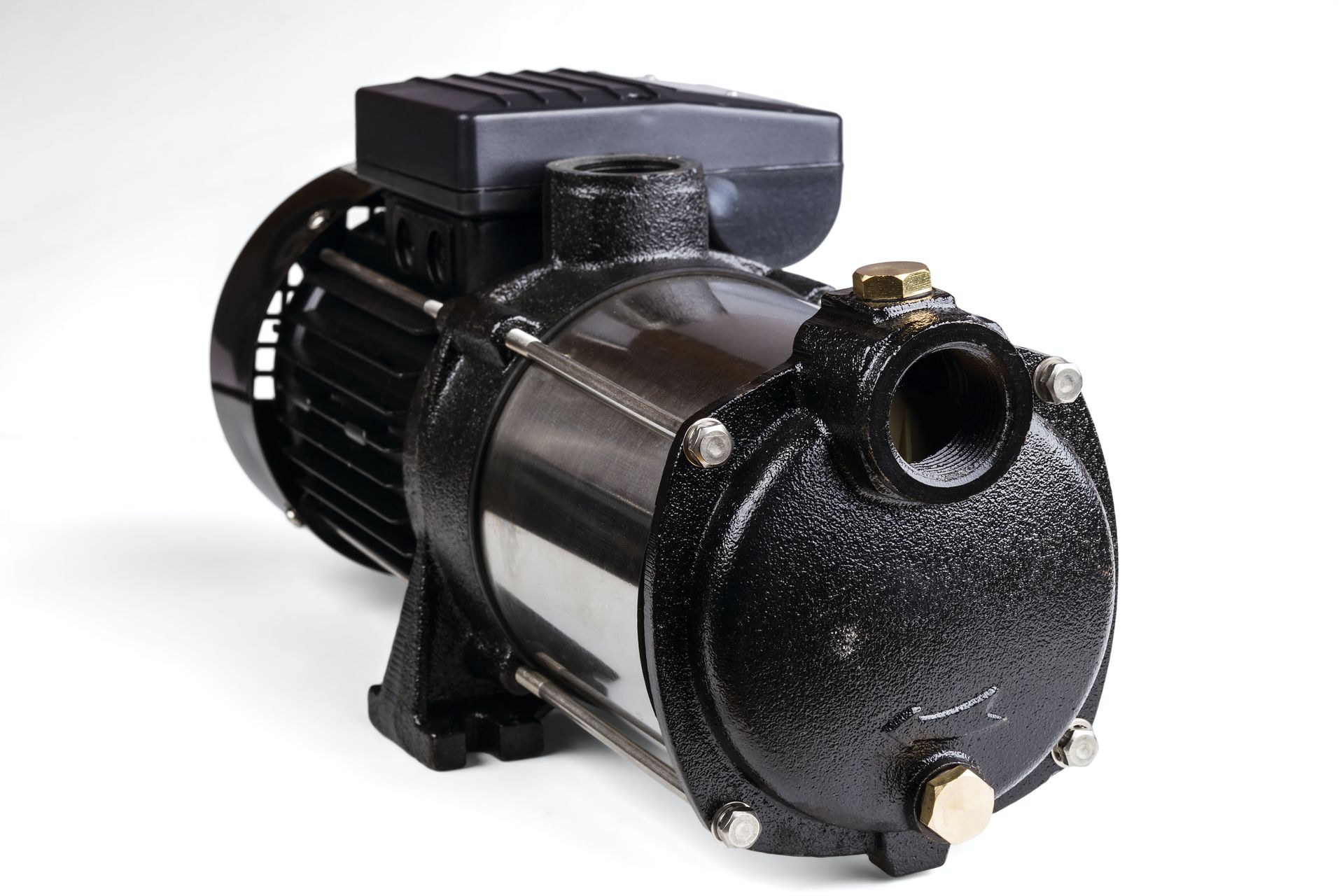
Once the well has been drilled and constructed, water still needs to be moved from underground into the home. A pump provides the force required to lift or push groundwater through the well system and into household plumbing. The appropriate pump depends on factors such as well depth, water level, required flow rate, and household demand.
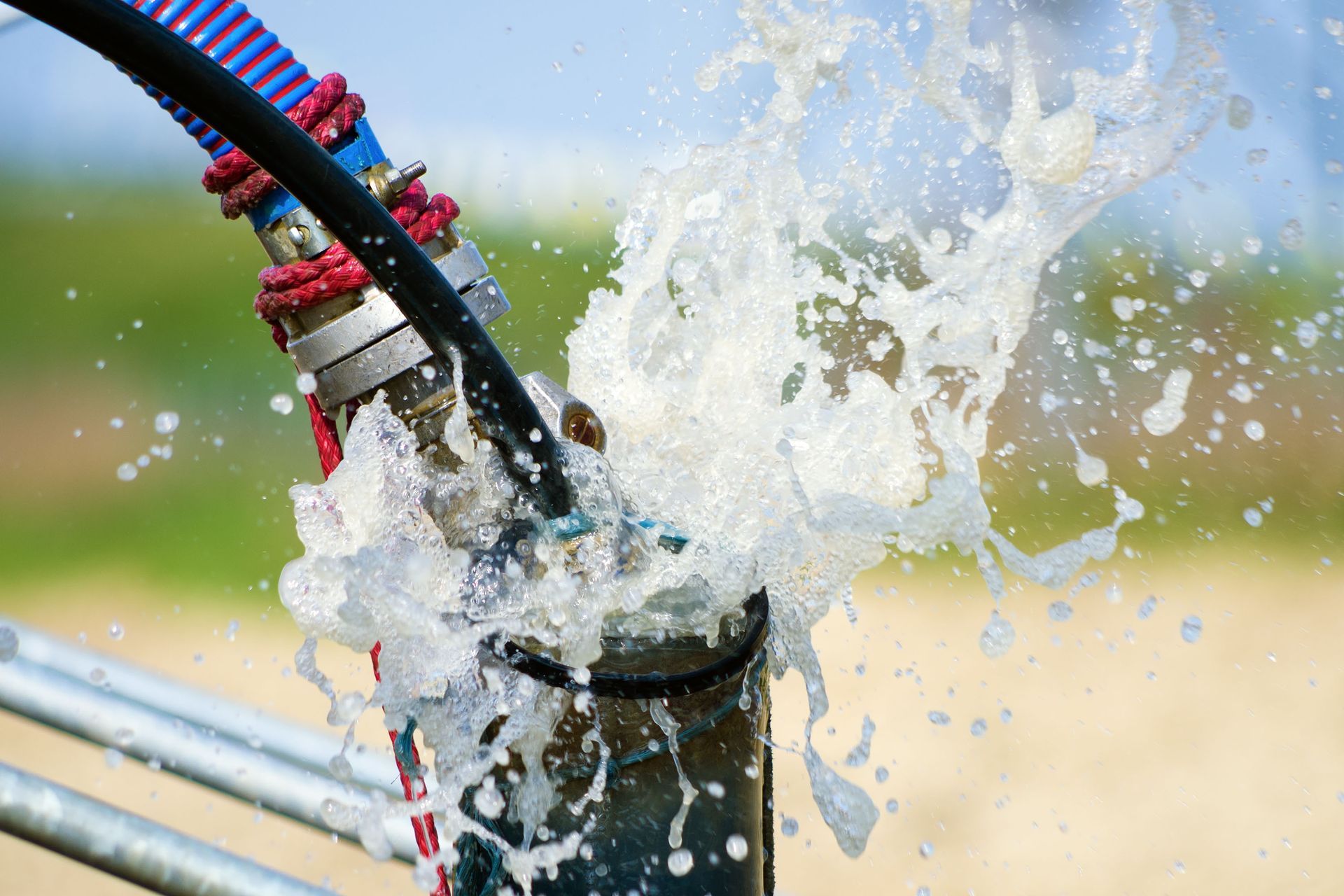
Many modern residential wells use submersible pumps installed below the water level inside the well. When water is needed, the pump sends it through a supply line toward a pressure tank and the home's plumbing system. The pressure tank helps maintain steady water pressure and reduces how frequently the pump must start and stop.
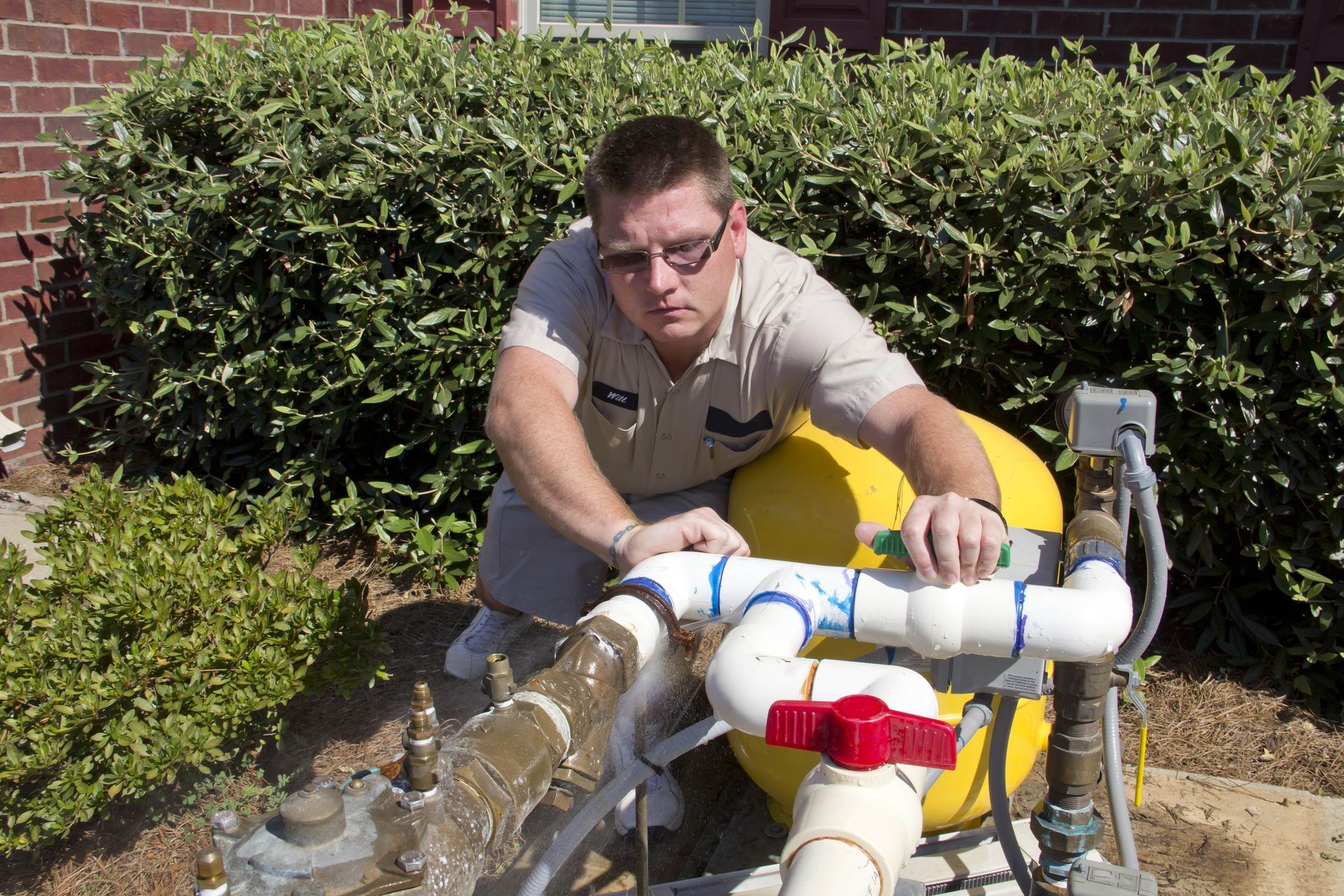
Well drilling services often involve coordinating these components so they operate as one system. Proper pump sizing is important because a pump that is too small may struggle to meet household demand, while an oversized pump may cycle unnecessarily or place added stress on system components. The installer may also incorporate electrical controls, pressure switches, valves, and other equipment required for reliable operation.
Testing and Preparing the Water Supply
A newly drilled well should be evaluated before the household depends on it for regular use. Water testing can identify bacteria, minerals, chemicals, or other substances that may affect safety, taste, odor, appearance, or plumbing performance. Testing requirements and recommendations can vary by location because groundwater conditions differ across the country.
After well drilling services are completed, contractors may disinfect the well and flush the system before samples are collected. Homeowners may then use laboratory results to determine whether treatment equipment is necessary. Depending on the findings, a household could consider filtration, softening, ultraviolet disinfection, reverse osmosis, or other treatment methods suited to specific water conditions.
Testing also establishes useful baseline information for the new water source. Future test results can be compared with the initial findings to identify changes in water quality. Because private wells are generally the homeowner's responsibility, routine testing can become an important part of managing the household water system over the long term.
Maintaining Reliable Household Water Access
A residential well can provide water for many years when its components are inspected and maintained appropriately. Homeowners should pay attention to changes in water pressure, unusual pump operation, sediment, discoloration, odors, or other signs that the system may require professional attention. Addressing small issues promptly can help prevent larger interruptions in water service.
Well drilling services can remain valuable after the initial installation. Contractors may inspect wells, replace pumps, repair pressure systems, address declining water production, rehabilitate older wells, or recommend solutions when equipment begins to wear. Periodic professional service can help homeowners understand the condition of components that are difficult to inspect without specialized equipment.
Property owners can also protect their wells by keeping the surrounding area clear, maintaining drainage away from the wellhead, and avoiding activities that could introduce contaminants near the water source. Regular water testing, equipment inspections, and timely repairs support dependable operation.
For households outside municipal water networks, a professionally constructed well can create direct access to groundwater beneath the property. From evaluating the site and drilling through underground formations to installing protective casing, pumps, and pressure equipment, well drilling services bring multiple technical steps together into a functioning household system. With proper construction and ongoing care, that system can provide the water families rely on every day. Call Saratoga Water Well & Pump Co today to schedule your water well or pump service.
Share On: